Blog
The Ultimate “Wolverine” Protocol: What is the Best Peptide Stack for Injury Recovery?

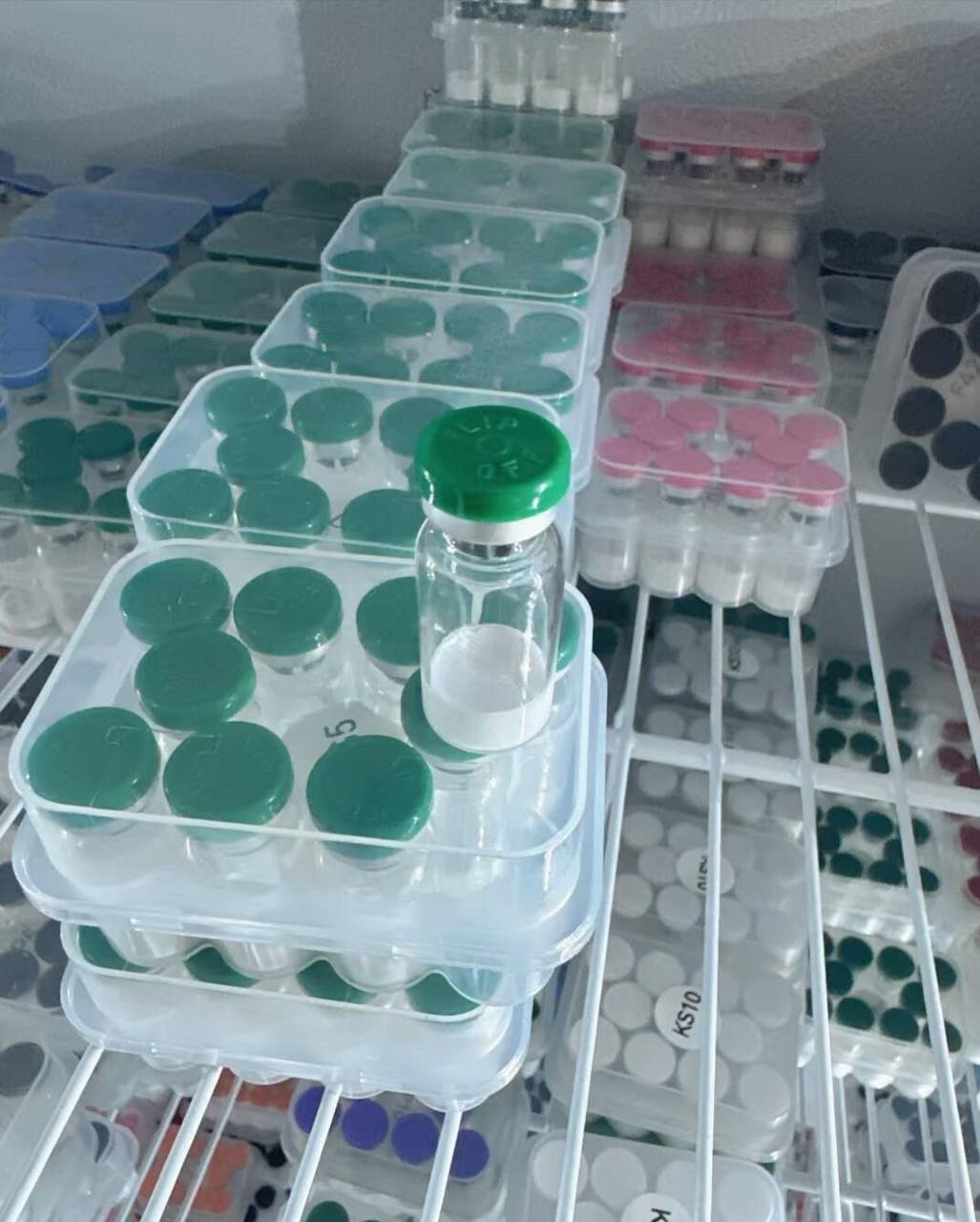
Best Peptide Stack for Injury Recovery
In the world of regenerative research, speed is everything. Whether you are analyzing post-surgical tissue repair or studying tendon rehabilitation in a laboratory setting, single-compound protocols are becoming a thing of the past. The trending consensus for 2026? Synergy.
The search for the best peptide stack for injury recovery has led researchers to a powerful trio often dubbed the “Wolverine Protocol.” This combination leverages three distinct pathways to accelerate cellular repair: angiogenesis, actin polymerization, and collagen remodeling.
The Core Components of the “Repair Trinity“ | Best Peptide Stack for Injury Recovery
To understand why this stack is superior, we must look at how the individual components interact. It is not just about adding more compounds; it is about covering every phase of the healing cycle.
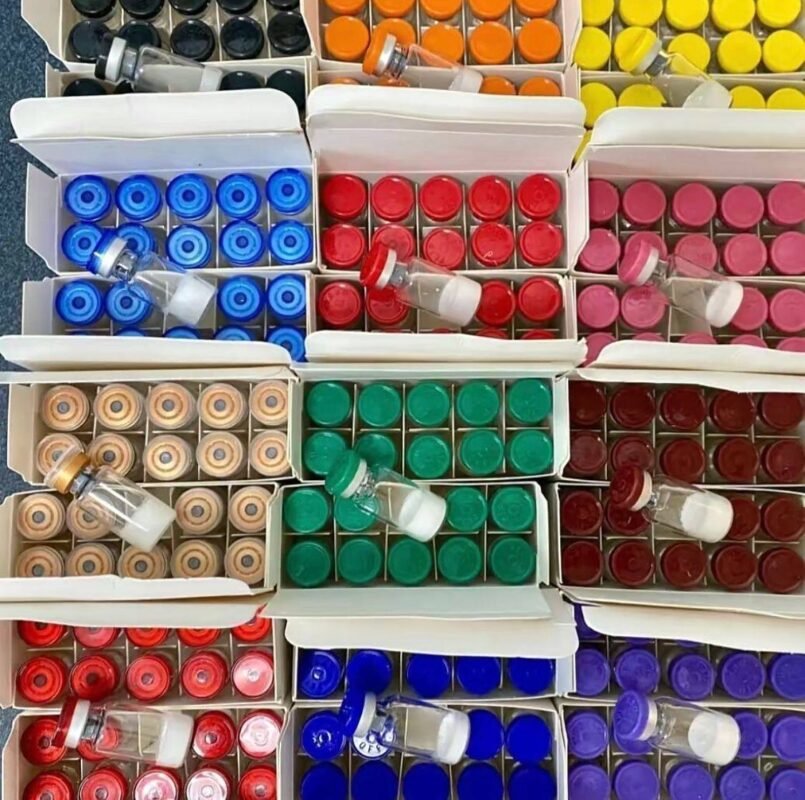
Best Peptide Stack for Injury Recovery
BPC-157: The Local “Site Architect”
Body Protection Compound-157 (BPC-157) is the foundation of any recovery protocol. Derived from a protein found in gastric juice, it is famous for its “local” effects.
Accelerating Angiogenesis |Best Peptide Stack for Injury Recovery
The primary mechanism of BPC-157 is angiogenesis—the formation of new blood vessels. Injuries to tendons and ligaments often heal slowly because they have poor blood supply. BPC-157 research suggests it can upregulate the VEGF (Vascular Endothelial Growth Factor) pathway, essentially building a new highway for nutrients to reach the damaged site.
The Gut-Brain Axis Bonus
While primarily used for orthopedic research, BPC-157 also exhibits profound systemic effects on the gastrointestinal tract, reducing inflammation that can otherwise slow down whole-body recovery.
TB-500: The Systemic “Mobilizer”
While BPC-157 builds the highway, TB-500 (Thymosin Beta-4) directs the traffic. It acts systemically, meaning it circulates through the entire subject rather than staying at the injection site.
The Role of Actin Polymerization TB-500 functions by upregulating actin, a protein essential for cell structure and movement. This allows repair cells to migrate faster to the site of injury, effectively reducing the downtime between trauma and the start of tissue reconstruction.
Why GHK-Cu is the Missing Link
Most basic stacks stop at BPC and TB. However, the best peptide stack for injury recovery in modern research now includes GHK-Cu (Copper Peptide)
While the first two handle structural repair, GHK-Cu focuses on aesthetic and scar-free healing. It modulates the breakdown of extra-large collagen aggregates (which cause scarring) and stimulates the production of regular, healthy collagen. This ensures that the repaired tissue is not just “patched” but functional and elastic.
Calculating the Ideal Research Ratio
For optimal synergy, current literature suggests a “2:1” ratio in favor of BPC-157 for acute soft tissue damage, while chronic injuries may benefit from a balanced 1:1 approach with TB-500.
Frequently Asked Questions About Recovery Stacks
Q: Can BPC-157 and TB-500 be mixed in the same syringe? A: Yes, in a research setting, these two non-acidic peptides are often combined in the same syringe to minimize administration frequency, as they do not degrade each other chemically.
Q: How long does it take to see results in research subjects? A: Animal models typically show enhanced fibroblast migration within 24-48 hours, with significant tissue tensile strength improvements observed after 14-21 days of administration.
Q: Is this stack effective for old injuries? A: Yes, the “Wolverine” stack is specifically researched for its ability to re-ignite the healing process in chronic, non-healing injuries by increasing blood flow to scar tissue.